
TRANSFORM YOUR HEALTH WITH THE EXPERTISE AND EXPERIENCE OF A DOUBLE BOARD-CERTIFIED PHYSICIAN
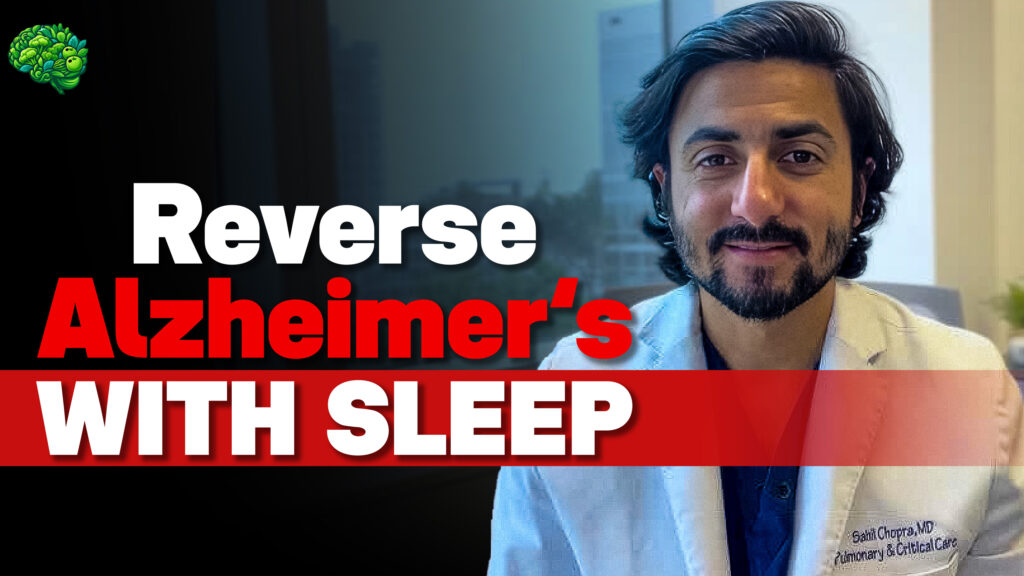
Could improving your sleep actually protect your brain and prevent Alzheimer’s? In today’s episode, I interview Dr. Sahil Chopra, a leading expert in sleep medicine and founder of Empower Sleep, to explore sleep as one of the most powerful tools for brain health.
Dr. Chopra shares why measuring your sleep is essential, how modern home sleep studies give more accurate data than ever before, and practical strategies for improving both sleep quality and circadian rhythm.
We discuss the role of REM and deep sleep in memory consolidation, amyloid clearance, and cognitive longevity. You’ll also learn when melatonin can be helpful, how caffeine affects sleep differently for everyone, and why personalized approaches matter more than generic advice.
If you’re ready to optimize your sleep and support your brain, this episode is a must-listen.
This episode is sponsored by Organifi
– Get 20% off organic superfood blends at www.organifi.com/DRJOSH with code DRJOSH
“If you make sleep better, all of the other things get better, particularly brain health.”
Dr. Sahil Chopra
In this Episode
05:25 – Sleep’s role in brain health: glymphatic system and waste clearance
10:02 – REM vs. deep sleep: impact on memory and emotional health
13:15 – Circadian rhythm disruption and catching up on sleep
15:41 – Melatonin: when it helps and when to avoid
19:35 – Advances in at-home sleep studies and wearable devices
28:14 – Tracking sleep patterns and the effect of stimulants for better sleep
33:52 – Sleep hygiene and habits for better brain health
37:06 – The future of sleep medicine: AI and technology integration
40:20 – How to work with Dr. Chopra and participate in sleep studies
50:29 – Key takeaways from this sleep and brain health conversation
Resources:
– Top Supplements for Alzheimer’s Guide
Connect with Dr. Sahil Chopra:
– Website
Connect with Dr. Josh Helman, MD:
– TikTok
– YouTube
– Others
Disclaimer: Please remember that this podcast is for informational purposes only and is not intended as medical advice. Always consult your doctor or healthcare professional before making any changes to your treatment plan.
–
READ THE COMPLETE BLOG POST HERE:
Struggling with poor sleep? You’re not alone. In fact, sleep issues might be one of the leading factors influencing your brain health, especially in the fight against Alzheimer’s. In this episode, Dr. Sahil Chopra, a sleep medicine expert, unveils groundbreaking insights on how sleep directly affects your cognitive function, brain health, and even Alzheimer’s prevention. You’ll also learn about easy, at-home sleep tests and practical prevention tips to optimize your sleep and boost your brain health.
Sleep is far more than just rest—it’s a key player in brain health, especially when it comes to Alzheimer’s prevention. Dr. Chopra explains that deep sleep is vital for the brain’s waste clearance system, which includes toxins like beta-amyloid and tau. These waste materials, if not cleared properly, are linked to Alzheimer’s disease.
Key Insight: Sleep helps flush toxins from the brain. Without enough quality sleep, these toxins can build up, leading to cognitive decline.
The lymphatic system, a newly discovered waste clearance mechanism in the brain, is activated during deep sleep. This process helps remove harmful proteins associated with Alzheimer’s, underscoring the importance of deep, restorative sleep.
Dr. Chopra highlights the critical role REM sleep plays in memory consolidation and emotional regulation. However, slow-wave sleep (deep sleep) is equally crucial. People who don’t get enough deep sleep often struggle with memory recall, leading to potential long-term cognitive issues.
Actionable Insight: For optimal brain health, prioritize both REM and deep sleep, aiming for a balanced sleep cycle every night.
To achieve better sleep, Dr. Chopra recommends creating a consistent sleep schedule, getting exposure to morning light, and reducing nighttime stimulation. These habits help realign your circadian rhythm, ensuring you fall into a deep sleep cycle.
Traditional sleep studies often require a visit to a sleep lab, but now, thanks to technology, at-home sleep studies are transforming how we monitor sleep health. Dr. Chopra’s company, Empower Sleep, offers easy-to-use, wearable devices that track sleep quality from the comfort of your own bed.
Key Difference: Unlike consumer-grade devices (e.g., Oura Ring or Fitbit), these medical-grade sensors provide real-time, second-by-second data, allowing for a more accurate diagnosis and personalized treatment plans.
These home sleep tests are particularly beneficial for people experiencing symptoms of sleep apnea, insomnia, or other sleep disorders. With this technology, you can track sleep patterns, experiment with different interventions, and see which one works best—no more guessing.
Incorporating better sleep habits can significantly reduce the risk of Alzheimer’s. Dr. Chopra offers some actionable sleep tips:
Pro Tip: Keep your bedroom dark before bed. Reducing light exposure in the evening helps prepare the body for sleep and improves your sleep quality.
Getting a good night’s sleep is a cornerstone of brain health, especially in preventing Alzheimer’s. Dr. Chopra’s insights reveal that quality sleep—specifically deep sleep—is essential for clearing the brain of harmful proteins and supporting cognitive function. From utilizing home sleep testing to making small adjustments to your sleep habits, there are multiple ways to improve your brain health.
If you found this article helpful, check out the full interview with Dr. Sahil Chopra on Alzheimer’s Breakthrough or subscribe to our newsletter for more expert insights.
What’s your current sleep routine like? Have you noticed a difference in your brain health or cognitive function after improving your sleep? Let me know in the comments below!
DISCLAIMER: This is not intended to be medical advice. Always consult with your physician first.
*The statements (appearing on this website) have not been evaluated by the Food and Drug Administration. These products are not intended to diagnose, treat, cure, or prevent any disease.
Copyright © 2025 · All Rights Reserved · Dr Josh