
TRANSFORM YOUR HEALTH WITH THE EXPERTISE AND EXPERIENCE OF A DOUBLE BOARD-CERTIFIED PHYSICIAN
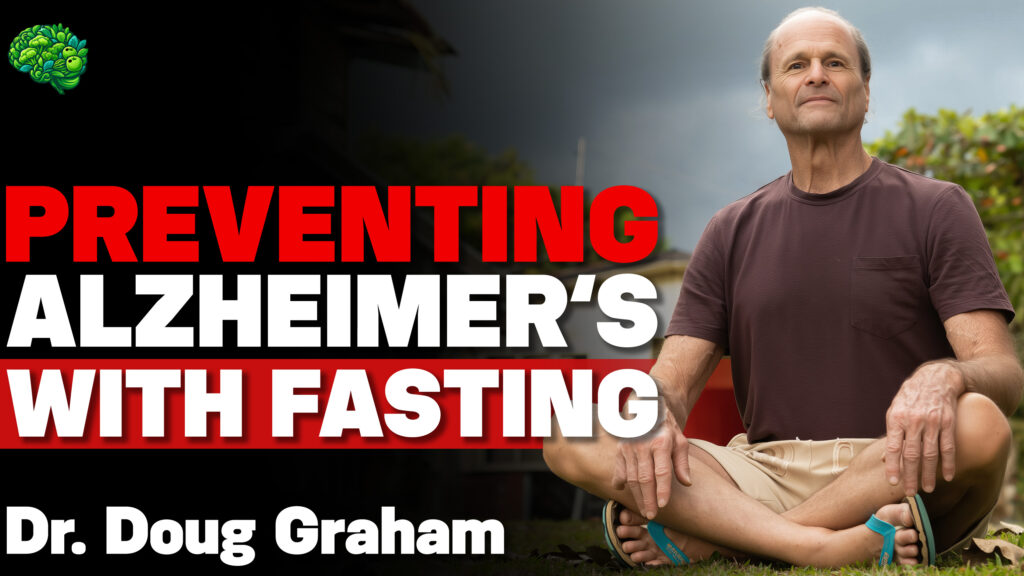
Could intermittent fasting be the missing link in preventing Alzheimer’s and improving brain health? In this episode, we dive into the facts and myths surrounding fasting, specifically intermittent fasting, and its role in promoting autophagy for brain health. If you’ve ever wondered whether fasting can help with insulin resistance, one of the main culprits behind cognitive decline, then you’re in the right place.
Dr. Doug Graham, a renowned fasting coach and author of the 80/10/10 Diet, returns to discuss fasting facts from fiction. We’ll discuss the fine line between therapeutic benefits and muscle wasting in older adults, as well as how fasting influences everything from brain function to metabolism. This episode is packed with valuable insights, so grab your notebook as we discuss the science behind the power of fasting.
Whether you’re a fasting newbie or an experienced practitioner, Dr. Graham’s decades of knowledge on fasting, nutrition, and lifestyle design will provide you with practical advice to safely incorporate fasting into your life.
“Fasting, from a health perspective, is getting into a state of deep, profound rest–deeper than any other rest, deeper than sleep. It's a deep state of rest where the body does its work.”
Dr. Doug Graham
In this Episode
00:00 – Introduction to Dr. Doug Graham & fasting for health
13:14 – The science behind fasting
20:04 – Types of fasting and their benefits
32:21 – Success stories & recommendations
49:07 – Fasting for someone who’s taking medications
56:26 – Breaking the fast safely
59:16 – Dr. Graham’s unique fasting protocol
1:03:44 – The role of the mind in achieving your goal
1:15:20 – Dr. Graham’s insight into fasting and stress
1:26:23 – The reason people would want to fast
Resources:
– Top Supplements for Alzheimer’s Guide
Connect with Dr. Doug Graham:
– Website
– YouTube
Connect with Dr. Josh Helman, MD:
– TikTok
– YouTube
– Others
Disclaimer: Please remember that this podcast is for informational purposes only and is not intended as medical advice. Always consult your doctor or healthcare professional before making any changes to your treatment plan.
–
READ THE COMPLETE BLOG POST HERE:
Struggling with memory loss or concerned about cognitive decline? You’re not alone. What if intermittent fasting could be the key to preventing Alzheimer’s and improving brain health? In this post, we dive into the science behind intermittent fasting and its potential to boost brain health and prevent Alzheimer’s. With insights from fasting expert Dr. Doug Graham, we’ll break down how fasting could help reduce inflammation, improve mitochondrial function, and enhance brain plasticity.
Autophagy is a natural process where the body cleans up and recycles damaged cells. Dr. Doug Graham explains that intermittent fasting triggers autophagy, allowing the brain to detoxify by removing harmful proteins and cellular debris. This process is crucial for brain health, especially in preventing diseases like Alzheimer’s.
By giving the body regular breaks from eating, intermittent fasting stimulates autophagy, enhancing the brain’s ability to regenerate and repair itself. This self-cleaning mechanism helps clear out beta-amyloid plaques—the toxic buildup of proteins linked to Alzheimer’s disease.
Insulin resistance is a major factor in cognitive decline, particularly in conditions like Alzheimer’s, which some researchers now call “type 3 diabetes.” Dr. Graham emphasizes that intermittent fasting can significantly improve insulin sensitivity, thereby reducing the risk of developing insulin resistance. By periodically fasting, the body has a chance to reset its insulin levels, which may help prevent or even reverse cognitive decline.
Fasting helps lower blood sugar and insulin levels, which not only supports overall health but also prevents the brain from being exposed to high levels of sugar and insulin over time. This can reduce inflammation in the brain, a key factor in neurodegenerative diseases.
The benefits of fasting go beyond just blood sugar control. Long-term intermittent fasting has been shown to enhance brain health by reducing oxidative stress, which is linked to aging and Alzheimer’s. Dr. Graham notes that fasting can stimulate neurogenesis, the process by which new brain cells are formed, particularly in the hippocampus—an area critical for memory and learning.
Moreover, fasting promotes the growth of new mitochondria, the energy-producing organelles within cells. Mitochondrial dysfunction is a hallmark of Alzheimer’s, and by promoting mitochondrial health through fasting, the brain becomes better equipped to repair itself and maintain cognitive function.
While fasting has numerous health benefits, it’s important to approach it with caution, especially for beginners. Dr. Graham shares some practical tips for intermittent fasting to ensure that you’re getting the most out of your fasting routine without risking muscle loss or nutrient deficiencies.
Here are some key tips for fasting safely:
By following these guidelines, you can safely harness the power of fasting for brain health.
Intermittent fasting offers a promising strategy for preventing Alzheimer’s and improving brain function. By promoting autophagy, improving insulin sensitivity, and stimulating neurogenesis, fasting could be a powerful tool in the fight against cognitive decline. Dr. Doug Graham’s insights show that fasting isn’t just about weight loss—it’s about brain rejuvenation and overall health.
If you found this post helpful, check out our podcast episodes and subscribe for more health insights.
What’s your experience with intermittent fasting? Have you noticed improvements in your mental clarity? Let me know in the comments!
DISCLAIMER: This is not intended to be medical advice. Always consult with your physician first.
*The statements (appearing on this website) have not been evaluated by the Food and Drug Administration. These products are not intended to diagnose, treat, cure, or prevent any disease.
Copyright © 2025 · All Rights Reserved · Dr Josh