
TRANSFORM YOUR HEALTH WITH THE EXPERTISE AND EXPERIENCE OF A DOUBLE BOARD-CERTIFIED PHYSICIAN
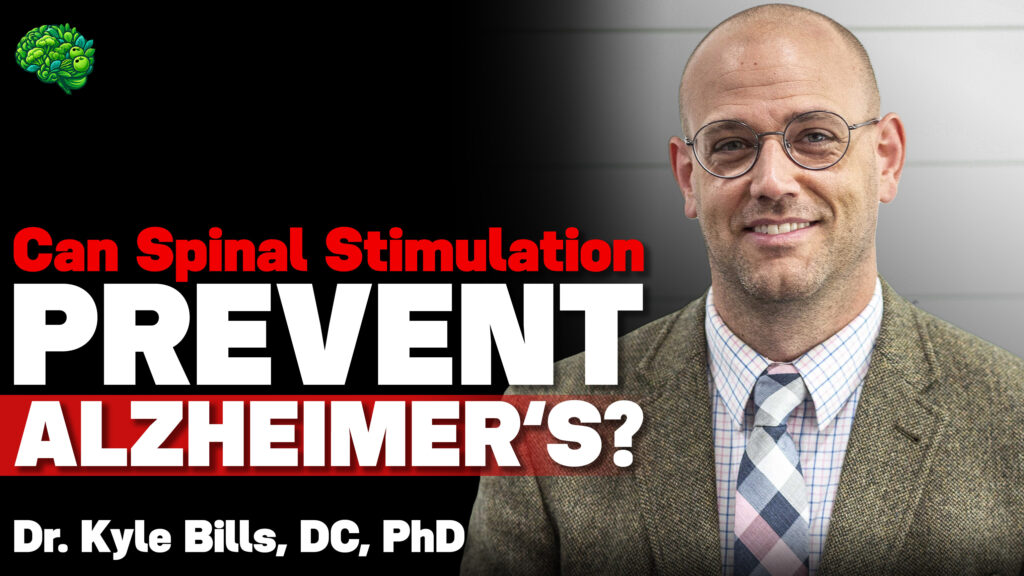
Could spinal stimulation be the key to preventing Alzheimer’s and boosting brain health? In this episode, I’m joined by Dr. Kyle Bills, a neuroscientist, clinician, and innovator, to explore brain regulation, neural stimulation, and the nervous system’s role in Alzheimer’s prevention. We discuss the fascinating science behind his breakthrough device, The Neuronova Dopamine Chair, and how non-invasive spinal stimulation can improve cognitive function.
Dr. Bills shares his experiences with patients, including those suffering from chronic migraines and anxiety, and how this technology has helped them regain mental clarity and balance. We also discuss the potential to enhance neurocognitive rehabilitation for traumatic brain injuries and the promising future applications of this technology.
Listen in to learn how this cutting-edge device might revolutionize brain health, offering hope for those affected by neurodegenerative diseases.
Want to try The Neuronova Dopamine Chair? Order here: https://neuro-nova.myshopify.com/DRJOSH (Use Code DRJOSH to get a 10% discount)
“There is great power in being still and being intentional in what your thoughts and your mind do. That's a form of self-control that is highly underrated in today's society.”
Dr. Kyle Bills, DC, PhD
In this Episode
00:00 – Introduction to Dr. Kyle Bills, DC, PhD
02:34 – What is the Neuronova device, and what was the idea behind it?
07:34 – Impact of non-invasive spinal stimulation on dopamine regulation
20:25 – Ten minutes a day is all it takes to experience positive results
34:36 – How the Neuronova chair is being used to improve people’s health
42:06 – Neuronova’s impact on patients with traumatic brain injury
52:30 – Why was the dopamine chair named Neuronova?
56:58 – The future of Neuronova in optimizing brain health
Resources:
– Top Supplements for Alzheimer’s Guide
Connect with Dr. Kyle Bills, DC, PhD:
– Website
– Email – kyle.bills@noorda.edu
Connect with Dr. Josh Helman, MD:
– TikTok
– YouTube
– Others
Disclaimer: Please remember that this podcast is for informational purposes only and is not intended as medical advice. Always consult your doctor or healthcare professional before making any changes to your treatment plan.
–
READ THE COMPLETE BLOG POST HERE:
Are you concerned about your brain health or trying to prevent Alzheimer’s? You’re not alone. Alzheimer’s and other cognitive issues are on the rise, but what if we could take a non-invasive approach to improve brain function and prevent deterioration? Non-Invasive Spinal Stimulation is emerging as a promising solution. In this episode of Alzheimer’s Breakthrough, Dr. Josh Helman speaks with Dr. Kyle Bills about the cutting-edge research and development of a device that stimulates the spine to increase dopamine levels, boost cognitive function, and potentially fight Alzheimer’s and other neurodegenerative diseases.
Non-Invasive Spinal Stimulation works by stimulating the spine using a device that induces low-frequency vibrations. This technology aims to influence neurotransmitters—specifically dopamine—without the need for drugs or invasive surgeries.
The primary innovation lies in the ability to use spinal stimulation to activate certain neural circuits that help regulate mood, learning, and behavior. Through this process, stimulation enhances dopamine production, which has been linked to improved cognition, mood regulation, and overall brain function.
Dr. Bills shared how this stimulation, when targeted at specific areas of the brain, can help reverse or prevent cognitive decline by regulating neurotransmitter imbalances that contribute to Alzheimer’s and other neurological conditions.
Dopamine is a neurotransmitter that plays a central role in motivation, reward, and learning. Low dopamine levels are often seen in patients with Alzheimer’s, Parkinson’s, and even conditions like addiction. Increasing dopamine levels can promote healthier brain function and protect against neurodegeneration.
However, GABA (gamma-aminobutyric acid), the brain’s calming neurotransmitter, is equally important. It helps lower excess brain activity, which can lead to anxiety or cognitive overload. Interestingly, non-invasive spinal stimulation regulates both neurotransmitters. Dr. Bills explained that this technology increases dopamine by targeting GABA neurons in the brain—a delicate balance that helps the brain stay healthy without overstimulating it.
The process of spinal stimulation, although initially studied for pain management, showed that it could have profound effects on brain health, especially in regulating mood and cognitive functions. In early research, Dr. Bills and his team worked with spinal implants, but they quickly pivoted to non-invasive devices after realizing the promising results.
By stimulating certain areas of the spine, this method activates the medial limbic dopamine system, which directly influences cognitive and emotional processing. The results? Enhanced learning, improved attention, and reduced anxiety—key benefits for those struggling with Alzheimer’s, depression, and other cognitive disorders.
Dr. Bills and his team conducted clinical trials to test the efficacy of non-invasive spinal stimulation on patients with anxiety and chronic pain. These trials showed that patients not only experienced mood improvements but also benefited from better sleep and enhanced neurocognitive profiles.
The device has already made its way into over 100 clinics, where it is used to help patients with a range of conditions, including Alzheimer’s, chronic pain, and mood disorders. This technology could one day become a staple in the treatment of cognitive diseases, as it offers a safe, drug-free solution to brain health.
One of the standout applications of this technology is its ability to reduce anxiety. The device’s calming effects are especially noticeable in those undergoing treatment for addiction or those experiencing chronic stress. With just 10 minutes of daily use, patients have reported significant reductions in anxiety and improvements in sleep quality.
Moreover, for patients dealing with Alzheimer’s and other cognitive issues, the device shows promise in improving sleep latency—the time it takes to fall asleep. Dr. Bills discussed studies that suggest this stimulation can lead to better deep sleep quality, a crucial factor in brain regeneration and memory consolidation.
As non-invasive spinal stimulation evolves, it could become a central tool in personalized brain health. The device can be used in combination with other treatments like cognitive behavioral therapy (CBT), meditation, and lifestyle changes to optimize brain function and slow down cognitive decline.
Dr. Bills also explained how the device might be used alongside dopamine-boosting drugs or supplements to help patients manage conditions like Parkinson’s and ADHD, where dopamine imbalances play a significant role. This multifaceted approach could help improve neuroplasticity and cognitive resilience, offering a holistic treatment strategy for brain health.
The beauty of non-invasive spinal stimulation lies in its simplicity. Users only need to spend 10 minutes a day on the device to experience meaningful benefits. With its non-invasive nature, it provides an attractive alternative to traditional pharmaceutical treatments, which often come with side effects and long-term risks.
This simple but effective intervention could become an integral part of Alzheimer’s prevention and brain health optimization in the future.
Non-invasive spinal stimulation offers a promising solution to the complex problem of cognitive decline, particularly in conditions like Alzheimer’s. By targeting the brain’s dopamine and GABA systems, it enhances cognitive function, reduces anxiety, and improves sleep—all with minimal effort and no need for invasive procedures.
If you found this helpful, check out our previous podcast episode How Non-Invasive Spinal Stimulation Can Reverse Alzheimer’s for a deeper dive into this exciting technology.
What are your thoughts on non-invasive brain health treatments? Could this technology help you or a loved one? Let me know in the comments!
DISCLAIMER: This is not intended to be medical advice. Always consult with your physician first.
*The statements (appearing on this website) have not been evaluated by the Food and Drug Administration. These products are not intended to diagnose, treat, cure, or prevent any disease.
Copyright © 2025 · All Rights Reserved · Dr Josh