
TRANSFORM YOUR HEALTH WITH THE EXPERTISE AND EXPERIENCE OF A DOUBLE BOARD-CERTIFIED PHYSICIAN
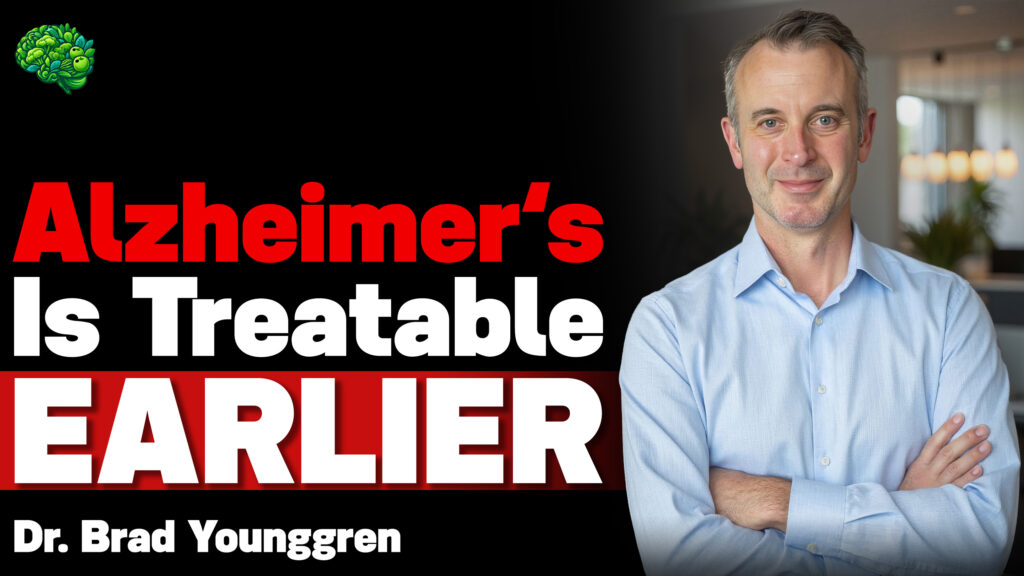
Alzheimer’s doesn’t begin with sudden memory loss. It begins decades earlier with systemic breakdowns that modern medicine continues to miss. And by the time someone is diagnosed with Alzheimer’s, the damage seems full-blown. In this episode, I sit down with Dr. Brad Younggren to discuss why Alzheimer’s is less a mystery of missing science and more a failure of how our healthcare system is designed.
We explore therapeutic plasma exchange (TPE) and why removing harmful inflammatory proteins, immune antibodies, plastics, and toxic exposures from the bloodstream may represent a powerful new frontier in brain health, longevity, and chronic disease care. Dr. Younggren shares how this decades-old hospital procedure is being safely re-engineered for outpatient use and why it’s showing promise for dementia, autoimmune illness, and accelerated aging.
We also discuss why the exposome, the total toxic burden from plastics, heavy metals, mold, and environmental chemicals, plays a far bigger role in cognitive decline than most people realize. From immune modulation to biological age reversal, this conversation challenges the idea that Alzheimer’s is inevitable or untreatable.
If you care about preventing cognitive decline, extending brain healthspan, and understanding why the medical system often fails Alzheimer’s patients, this episode opens your eyes to what’s possible.
Interested in receiving TPE with Dr. Josh? Apply to work with him here: https://drjosh.com/work-with-dr-josh/
“If you reduce the toxic burden on the body, the brain has an incredible ability to heal itself.”
Dr. Brad Younggren
In this Episode
03:55 – A perspective on therapeutic plasma exchange (TPE)
05:53 – What TPE really is, how it works, and some benefits
15:28 – Immune recalibration and repeat plasma exchange
22:03 – Enhancing the TPE process
28:12 – Biological age reversal and proteomic clocks
31:23 – TPE for Alzheimer’s and dementia
36:37 – Circulate Health’s approach to conducting TPE
38:50 – Minimizing toxin exposure
42:53 – TPE use in emergency rooms and treating specific illnesses
49:29 – The future of TPE study and Circulate Health
Resources:
– Top Supplements for Alzheimer’s Guide
Connect with Dr. Brad Younggren:
– Website
Connect with Dr. Josh Helman, MD:
– TikTok
– YouTube
– Others
Disclaimer: Please remember that this podcast is for informational purposes only and is not intended as medical advice. Always consult your doctor or healthcare professional before making any changes to your treatment plan.
–
READ THE COMPLETE BLOG POST HERE:
Are you looking for an innovative way to combat Alzheimer’s and other neurodegenerative diseases? Plasma exchange for brain health might be the breakthrough you’re seeking. In a fascinating conversation on the Alzheimer’s Breakthrough podcast, Dr. Brad Younggren shares how this medical procedure can detoxify the brain, reduce inflammation, and even help prevent Alzheimer’s. With Alzheimer’s affecting millions worldwide, could plasma exchange be the key to slowing down or even reversing brain health decline? Let’s dive into the details of this promising treatment and uncover how it might help you protect your cognitive function.
Plasma exchange, also known as plasmapheresis, is a medical procedure that removes harmful substances from the bloodstream, such as toxins, damaged cells, and proteins that contribute to inflammation. Dr. Younggren explains how the procedure works by extracting a patient’s plasma and replacing it with a safe solution, like albumin or saline. This process helps detoxify the blood, potentially reducing inflammation in the brain and improving cognitive function.
The exciting aspect of plasma exchange for brain health is its ability to remove toxic substances, including certain antibodies and proteins that have been linked to Alzheimer’s and other neurodegenerative conditions. By cleansing the blood of these harmful substances, plasma exchange offers hope for preventing or slowing the progression of Alzheimer’s.
One of the most significant breakthroughs with plasma exchange is its potential to prevent Alzheimer’s disease. According to Dr. Younggren, the procedure can target harmful substances in the blood that contribute to neurodegeneration. For instance, autoantibodies that attack the brain’s dopamine receptors and other peptides can cause significant damage to brain cells, leading to memory loss and cognitive decline.
By using plasma exchange, doctors can remove these antibodies from the bloodstream, potentially reversing some of the damage done by Alzheimer’s or at least slowing its progression. Dr. Younggren highlights that plasma exchange might even help reduce beta-amyloid plaques—protein clumps that are characteristic of Alzheimer’s disease—further supporting its role in cognitive health prevention.
Inflammation is a key driver of many chronic diseases, including Alzheimer’s. Dr. Younggren explains that plasma exchange helps reduce inflammation by targeting inflammatory proteins in the blood. This process is crucial for maintaining brain health, as inflammation can damage neurons and accelerate cognitive decline.
By clearing out inflammatory cytokines and other harmful molecules, plasma exchange supports neuroplasticity—the brain’s ability to adapt and form new neural connections. This rejuvenating effect can help preserve cognitive function and improve memory, even in patients who are at risk for Alzheimer’s or other brain health conditions.
One of the most exciting aspects of plasma exchange is its potential to promote cellular rejuvenation. Dr. Younggren suggests that by removing senescent cells—those that have stopped dividing and are no longer functioning properly—plasma exchange helps the body repair and rejuvenate itself. This process may play a critical role in preventing age-related cognitive decline and even reversing some of the damage caused by Alzheimer’s.
The rejuvenation effect of plasma exchange extends beyond the brain. By improving overall blood health, the procedure can also benefit other parts of the body, including the heart, liver, and kidneys. Dr. Younggren notes that the treatment’s ability to enhance cellular health could lead to long-term health benefits and a better quality of life, especially for those at risk for chronic diseases like Alzheimer’s.
For those who have been diagnosed with Alzheimer’s or are at high risk, regular plasma exchange treatments may offer a lifeline. Dr. Younggren’s team has seen positive results from patients who undergo multiple treatments, showing significant improvements in memory and cognitive function over time.
The long-term benefits of plasma exchange are becoming more apparent as research progresses. Dr. Younggren’s clinic tracks biomarkers and cognitive assessments before and after treatment, showing measurable improvements in patients who undergo repeated sessions. While the procedure is still evolving, the data points to positive outcomes for cognitive health, with patients reporting better memory retention and increased mental clarity.
While plasma exchange shows great promise as a standalone treatment, it may also be more effective when combined with other therapies. Dr. Younggren suggests that integrating neuroprotective strategies such as exercise, healthy nutrition, and stress management can help enhance the benefits of plasma exchange. Additionally, combining plasma exchange with other advanced therapies like light therapy, ozone therapy, or immune-modulating treatments could yield even greater results for patients seeking to protect their brain health.
Plasma exchange is an exciting, non-invasive procedure that has the potential to prevent Alzheimer’s, reduce inflammation, and even improve brain health. By detoxifying the blood and removing harmful proteins and antibodies, this therapy offers a new approach to combating cognitive decline. As the procedure becomes more accessible, it could play a crucial role in the fight against Alzheimer’s and other neurodegenerative diseases.
If you found this helpful, check out our previous episode Can Plasma Exchange Reverse Alzheimer’s? for a deeper look into this groundbreaking treatment.
What are your thoughts on plasma exchange for brain health? Could this be a solution for you or a loved one? Let me know in the comments!
DISCLAIMER: This is not intended to be medical advice. Always consult with your physician first.
*The statements (appearing on this website) have not been evaluated by the Food and Drug Administration. These products are not intended to diagnose, treat, cure, or prevent any disease.
Copyright © 2025 · All Rights Reserved · Dr Josh