
TRANSFORM YOUR HEALTH WITH THE EXPERTISE AND EXPERIENCE OF A DOUBLE BOARD-CERTIFIED PHYSICIAN
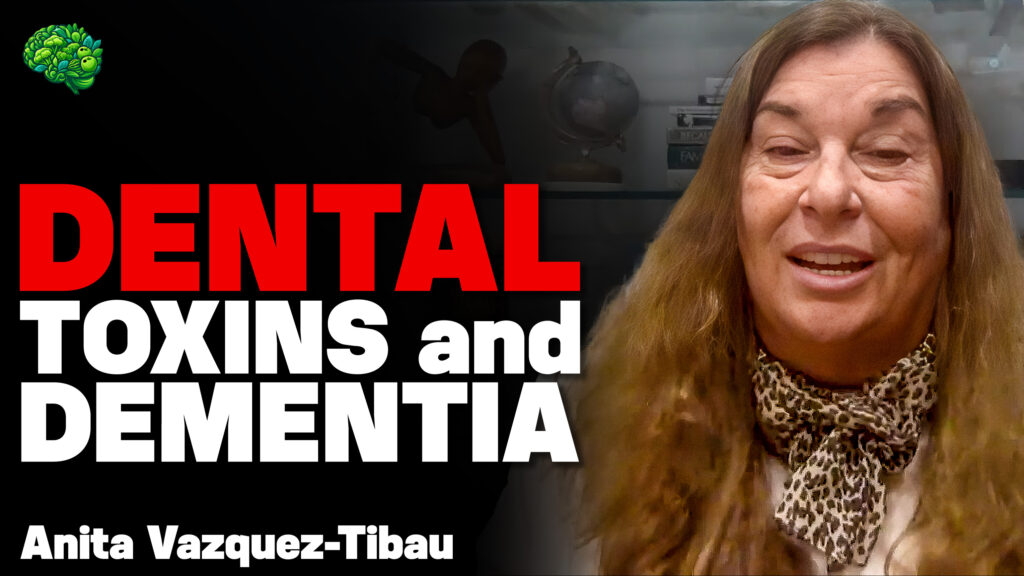
Could the silver fillings in your mouth be damaging your brain? In today’s episode, I interview Anita Vazquez-Tibau, an international advocate and researcher dedicated to ending the global use of toxic mercury in dentistry. Together, we dive into the shocking truth about dental amalgam fillings, which contain up to 54% mercury, a known neurotoxin.
I was astounded to learn that despite the risks, the American Dental Association still claims that these fillings are safe. Anita explains how mercury not only poses a risk to your brain health but can also lead to neurodegeneration, including Alzheimer’s. We also discuss the global fight against mercury dental fillings, the Minamata Convention, and what you can do to protect your health if you have mercury fillings.
If you or someone you love is dealing with cognitive decline, this episode could be an eye-opener.
“The key is to have a good biological dentist who knows how to do oral surgery. Clean out everything and just say: Stop there. I don’t want an implant. I would like a removable appliance.”
Anita Vazquez -Tibau
In this Episode
00:00 – Introduction to Anita Vazquez -Tibau
04:42 – Why the ADA still claims mercury fillings are safe
07:32 – The Minamata Convention and mercury regulation
20:19 – Mercury connection in Alzheimer’s and neurodegeneration
28:33 – The dangers of some dental procedures
38:42 – Detoxification, biocompatibility testing, and safe removal of mercury fillings
50:52 – Other sources of mercury that we may not be aware of
59:42 – Early signs of mercury exposure
1:04:31 – Why some industries still use mercury despite the risks
1:08:03 – The risks of getting titanium implants
1:13:32 – What to do next if you have mercury implants
Resources:
– Top Supplements for Alzheimer’s Guide
Mentioned in this episode:
– This is an extremely important video on mercury and brain neurodegeneration
– ANITA’s UNITED NATIONS CLOSING REMARKS MINAMATA CONVENTION COP6
Connect with Anita Vazquez -Tibau:
– Email – anitatibau@hotmail.com
Connect with Dr. Josh Helman, MD:
– TikTok
– YouTube
– Others
Disclaimer: Please remember that this podcast is for informational purposes only and is not intended as medical advice. Always consult your doctor or healthcare professional before making any changes to your treatment plan.
–
READ THE COMPLETE BLOG POST HERE:
Struggling with memory loss or cognitive decline? You might be surprised to learn that something as common as silver fillings could be contributing to your brain health issues. In this episode of Alzheimer’s Breakthrough, Dr. Josh Helman sits down with Anita Vazquez-Tibau, an expert on the toxic effects of mercury in dentistry. They discuss how mercury fillings—commonly used in dental procedures—are a hidden threat that could be accelerating the development of Alzheimer’s and other neurodegenerative diseases. In this post, we’ll explore why mercury toxicity is often overlooked and what you can do about it.
Mercury has long been associated with neurodegeneration, and dental fillings are a significant source of exposure. Mercury fillings, often referred to as “silver fillings,” contain 50% mercury, a highly toxic substance. Dr. Vazquez-Tibau explains how, over time, the mercury in these fillings releases vapor that can be inhaled, leading to brain damage and cognitive decline.
In fact, mercury toxicity is a significant concern for people with Alzheimer’s. Research has found high levels of mercury in the brains of Alzheimer’s patients, leading experts like Dr. Vazquez-Tibau to call for stricter regulations on its use in dentistry. The implications of this connection are concerning, especially since the neurotoxic effects of mercury are cumulative, building up over decades.
When we think of silver fillings, we envision something benign, but the truth is far from it. Mercury, the primary ingredient in dental amalgams, is a neurotoxin—a substance that damages the brain and nervous system. Dr. Vazquez-Tibau highlights how the American Dental Association (ADA) has long downplayed the dangers of mercury, despite it being known as a toxic substance since its introduction.
What many don’t realize is that these fillings are still common worldwide, even though scientific evidence has shown the dangers of mercury exposure. Dr. Vazquez-Tibau notes that the ADA has largely ignored calls to ban mercury fillings, even though they were grandfathered in under outdated safety guidelines in the 1970s. This oversight continues to put millions of people at risk, as the mercury in dental amalgams can gradually release into the body over time.
The Minamata Convention on Mercury, an international treaty, aims to address the harmful environmental impacts of mercury exposure. Dr. Vazquez-Tibau, who has been actively involved in advocating for the removal of mercury in dentistry, explains that mercury vapor is released from fillings over time and can accumulate in the brain.
The toxic effects of mercury are insidious and often go unnoticed for years. In some cases, the damage is gradual, leading to symptoms of memory loss, brain fog, and eventually Alzheimer’s. For people with genetic predispositions, such as those with the ApoE4 gene, mercury exposure could dramatically increase their risk of developing neurodegenerative diseases.
Removing mercury fillings is not a simple task. Dr. Vazquez-Tibau emphasizes that safe removal is crucial to minimizing exposure to mercury. Improper removal can cause mercury to be released into the body in high quantities, leading to acute toxicity.
Fortunately, there are biological dentists trained in safe mercury removal. These professionals follow specific protocols to ensure that mercury is removed without causing harm to the patient. Dr. Vazquez-Tibau recommends working with these professionals, especially if you have mercury fillings and are concerned about your brain health.
If you have mercury fillings and are concerned about their potential impact on your brain health, there are steps you can take:
Mercury in dental fillings may be a hidden cause of Alzheimer’s and other neurodegenerative diseases. By understanding the risks of mercury exposure and seeking safe removal, you can take proactive steps to protect your brain health. Dr. Vazquez-Tibau’s work is a wake-up call for many who are unknowingly exposing themselves to this toxic substance.
If you found this post helpful, check out our previous episode, Mercury and Its Impact on Brain Health, to dive deeper into how toxins affect your cognitive function.
Have you had any experience with mercury fillings or biological dentistry? Let me know in the comments below!
DISCLAIMER: This is not intended to be medical advice. Always consult with your physician first.
*The statements (appearing on this website) have not been evaluated by the Food and Drug Administration. These products are not intended to diagnose, treat, cure, or prevent any disease.
Copyright © 2025 · All Rights Reserved · Dr Josh