
TRANSFORM YOUR HEALTH WITH THE EXPERTISE AND EXPERIENCE OF A DOUBLE BOARD-CERTIFIED PHYSICIAN
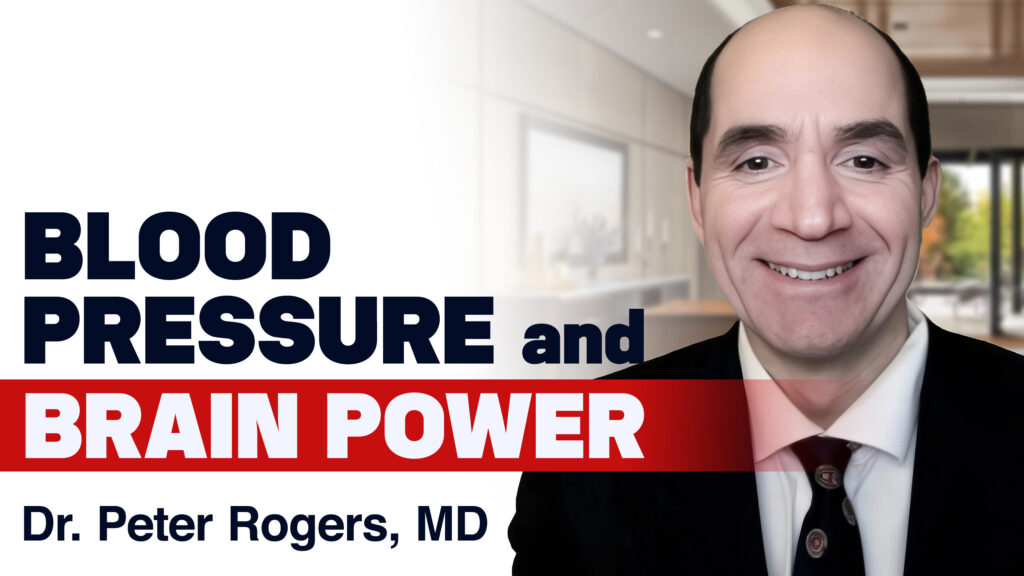
What if I told you that high blood pressure, poor diet, and stress are not just harming your heart but are silently affecting your brain health, too? In this episode, I have an amazing conversation with neuroradiologist Dr. Peter Rogers to discuss how conditions like hypertension, atherosclerosis, and even leaky gut are contributing to brain decline and Alzheimer’s risk.
Dr. Rogers shares his groundbreaking theories on how vascular diseases affect brain function and why addressing blood pressure and maintaining a healthy diet are crucial for protecting cognitive health. From blood clots to kidney disease, we explore the critical role the circulatory system plays in maintaining brain health.
Tune in to discover how reversing vascular issues can boost your brain health for years to come!
“You've only got one body that's gonna last you your whole life, hopefully 90 or more years. Give it premium gas—eat plant foods.”
Dr. Peter Rogers, MD
In this Episode
00:55 – Meet Dr. Peter Rogers, MD
03:10 – What we need to know about hypertension
05:14 – Understanding the underlying causes of hypertension
15:05 – Conventional medicine vs. Dr. Rogers’ research
19:21 – Kidney failure and brain health connection
23:20 – A thousand brains theory and imaging tests to diagnose dementia
32:11 – Dr. Rogers explains different neurodegeneration theories
40:49 – Diet and lifestyle changes for vascular, mitochondrial, and brain health
47:20 – The truth about olive oil and how it affects health
54:28 – Dr. Rogers’ controversial thoughts about the healthcare system
Resources:
– Top Supplements for Alzheimer’s Guide
– Blood Pressure in the African Native by C.P. Donnison
Connect with Dr. Peter Rogers, MD:
– YouTube
Connect with Dr. Josh Helman, MD:
– TikTok
– YouTube
– Others
Disclaimer: Please remember that this podcast is for informational purposes only and is not intended as medical advice. Always consult your doctor or healthcare professional before making any changes to your treatment plan.
–
READ THE COMPLETE BLOG POST HERE:
Struggling with brain fog, memory issues, or concerns about dementia? You’re not alone. And surprisingly, the root of these problems might not start in your brain — but in your blood vessels. In today’s deep dive, we explore how vascular health profoundly affects brain function and increases Alzheimer’s risk. Dr. Peter Rogers, a neural radiologist and health advocate, shares eye-opening insights into how what we eat, how we live, and how we move shape our cognitive future. Stick around — we’re uncovering practical steps you can take to protect your brain starting today.
Vascular health plays a huge role in brain aging. Dr. Rogers explains that high blood pressure stiffens arteries, which over time restricts oxygen and nutrient delivery to brain cells. Without enough blood flow, the brain slowly shrinks — much like a failing kidney.
Three major contributors to hypertension:
One of Dr. Rogers’ groundbreaking theories connects leaky gut to high blood pressure and brain degeneration. When the gut lining breaks down, bacterial toxins (like LPS) enter the bloodstream, triggering widespread inflammation.
Here’s the dangerous chain reaction:
The fix? Focus on gut health by prioritizing a whole food, fiber-rich, plant-based diet to rebuild the gut barrier and protect the brain
Dr. Rogers highlights that the brain, like the kidneys, can lose significant function before symptoms appear. This “silent” brain loss happens gradually as blood vessels get clogged or weakened. MRIs often reveal brain atrophy long before memory problems emerge.
Signs of vascular aging to watch for:
Each of these hints at vascular damage that could also be harming the brain. Catch it early, and lifestyle changes can make a dramatic difference.
You can’t outrun a bad diet, but exercise still matters immensely for brain health. Physical activity boosts mitochondrial function — the energy engines of brain cells — and builds a “cognitive reserve” that delays symptoms of dementia.
Best ways to enhance brain resilience:
Dr. Rogers also recommends removing mitochondrial inhibitors from your life — like ultra-processed foods, excess fluoride, and certain medications — to protect brain energy production long-term.
Protecting your brain starts with protecting your blood vessels. As Dr. Peter Rogers emphasized, vascular health is key to maintaining cognitive function and preventing Alzheimer’s. By managing blood pressure, healing your gut, eating a plant-based diet, and exercising regularly, you can dramatically lower your risk of cognitive decline.
If you found this helpful, check out our related episode on “Can Fasting and Autophagy Reverse Alzheimer’s” or subscribe for more science-backed insights into brain health.
What’s one small change you can make today to support your vascular health? I’d love to hear your thoughts in the comments!
DISCLAIMER: This is not intended to be medical advice. Always consult with your physician first.
*The statements (appearing on this website) have not been evaluated by the Food and Drug Administration. These products are not intended to diagnose, treat, cure, or prevent any disease.
Copyright © 2025 · All Rights Reserved · Dr Josh