
In this Episode
01:39 – Limitations of traditional neurology vs. functional neurology
09:05 – Dr. Kan’s process for helping dementia patients
16:18 – The brain-immune-gut connection and why it’s critical for brain health
22:27 – Personalized care and streamlining the course of treatment
23:58 – Importance of neurotransmitter balance for brain function
28:17 – The connection between blood sugar and brain health
32:34 – Impact of nutrition and exercise on the brain
40:19 – Neuroplasticity: the brain’s ability to heal with the right tools
42:09 – Exploring vagus nerve stimulation for treating chronic conditions
44:13 – Top three takeaways from the episode
Resources:
– Top Supplements for Alzheimer’s Guide
Connect with Dr. Peter Kan:
– Website
– YouTube
Connect with Dr. Josh Helman, MD:
– TikTok
– YouTube
– Others
Disclaimer: Please remember that this podcast is for informational purposes only and is not intended as medical advice. Always consult your doctor or healthcare professional before making any changes to your treatment plan.
–
READ THE COMPLETE BLOG POST HERE:
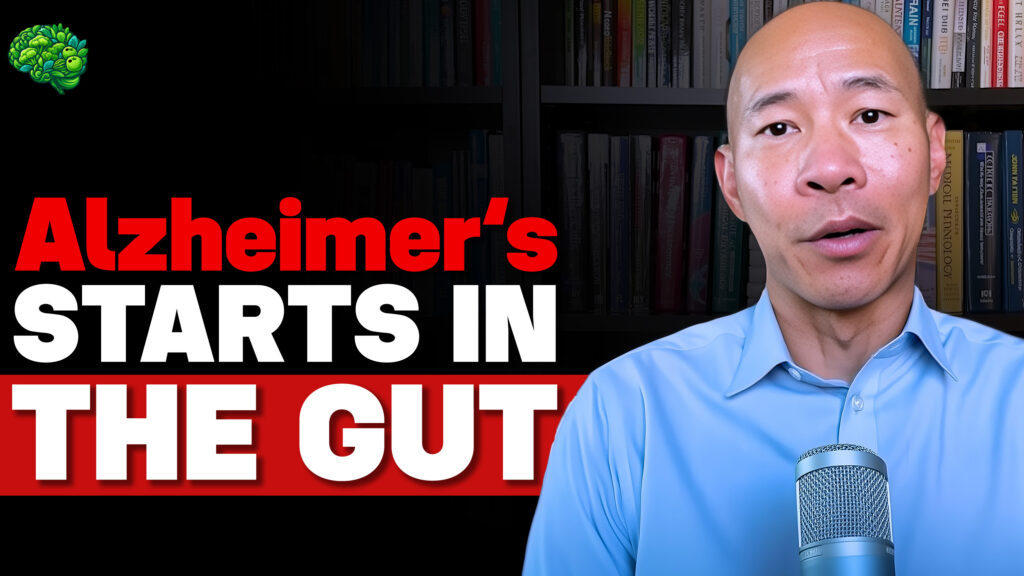
Worried about memory loss or brain fog creeping in as you age? You might want to look beyond your brain and take a closer look at your gut.
It turns out your digestive system—specifically your gut health—could play a much bigger role in Alzheimer’s prevention than you think. In this eye-opening conversation, Dr. Josh Helman sits down with functional medicine expert Dr. Peter Kan to explore how chronic inflammation, gut dysfunction, and brain chemistry are intimately connected.
If you’ve been struggling with cognitive issues, poor digestion, or just want to future-proof your brain—this episode is packed with answers.
 Key Takeaways From the Episode:
 How Gut Health Impacts Alzheimer’s Risk
We’ve all heard the phrase “gut feeling,” but it’s more scientific than you think. Your gut and brain are constantly communicating through a highway called the vagus nerve. According to Dr. Kan, inflammation in the gut can quickly become inflammation in the brain, sparking symptoms like brain fog, anxiety, and even memory issues.
“You can’t have chronic inflammation in the gut and expect to have a healthy brain.” – Dr. Peter Kan (09:12)
In functional medicine, this connection is often referred to as the gut-brain axis. When your gut is inflamed, it releases cytokines and other molecules that cross the blood-brain barrier, leading to cognitive dysfunction and increasing your risk of dementia over time.
Many people walking around with early signs of cognitive decline have no idea their gut is inflamed—because the symptoms aren’t always digestive.
Dr. Kan explains that the biggest culprits include:
These triggers weaken the gut lining, increase intestinal permeability (aka leaky gut), and kickstart autoimmune responses that can affect the brain.
“This isn’t just about taking probiotics. You have to remove the trigger and rebuild the gut lining.” – Dr. Kan (16:40)
This process mirrors what researchers are seeing in early Alzheimer’s—chronic, low-grade inflammation driven by poor immune regulation.
One of the most fascinating parts of this discussion is the role of the vagus nerve. This nerve acts like a telephone line between your gut and brain, sending messages in both directions.
If the vagus nerve isn’t working properly—due to inflammation, stress, or poor gut health—it slows down digestion and impairs cognitive performance.
Dr. Kan suggests simple tools to improve vagal tone:
These strategies don’t just support digestion—they also enhance neuroplasticity and reduce inflammation throughout the body.
So how do you actually fix your gut?
Dr. Kan walks us through a multi-step process:
Patients who follow this protocol often report massive improvements in brain fog, energy, sleep, and mood—within just a few weeks.
Want more details on functional gut repair? Dr. Kan shares advanced strategies on his site: askdrkan.com
Dr. Kan challenges the mainstream narrative around Alzheimer’s: that it starts in the brain and progresses with age.
Instead, he suggests Alzheimer’s is often a systems-wide breakdown—starting with the gut, liver, immune system, and detox pathways. The brain is just where the symptoms show up last.
“You’re not just treating a brain—you’re treating a whole person. The gut is ground zero.” – Dr. Peter Kan (30:10)
This is why working on gut health—alongside lifestyle strategies like exercise, sleep, and stress reduction—offers a far more comprehensive approach to preventing Alzheimer’s.
It’s time to stop thinking of Alzheimer’s as just a brain disease. Inflammation, toxins, and gut dysfunction are all part of the equation—and often, they show up long before any cognitive symptoms appear.
The good news? Gut health is something you can influence today.
Simple changes like eliminating inflammatory foods, repairing your gut lining, and supporting the vagus nerve can set the stage for better memory, focus, and long-term brain health.
 If this resonated with you, check out our related episode with Dr. David Jockers on Fasting & Autophagy to Reverse Alzheimer’s. And don’t forget to subscribe for more expert insights.
Have you tried improving your gut to support your brain? Share your experience in the comments—we’d love to hear what worked for you.