
TRANSFORM YOUR HEALTH WITH THE EXPERTISE AND EXPERIENCE OF A DOUBLE BOARD-CERTIFIED PHYSICIAN
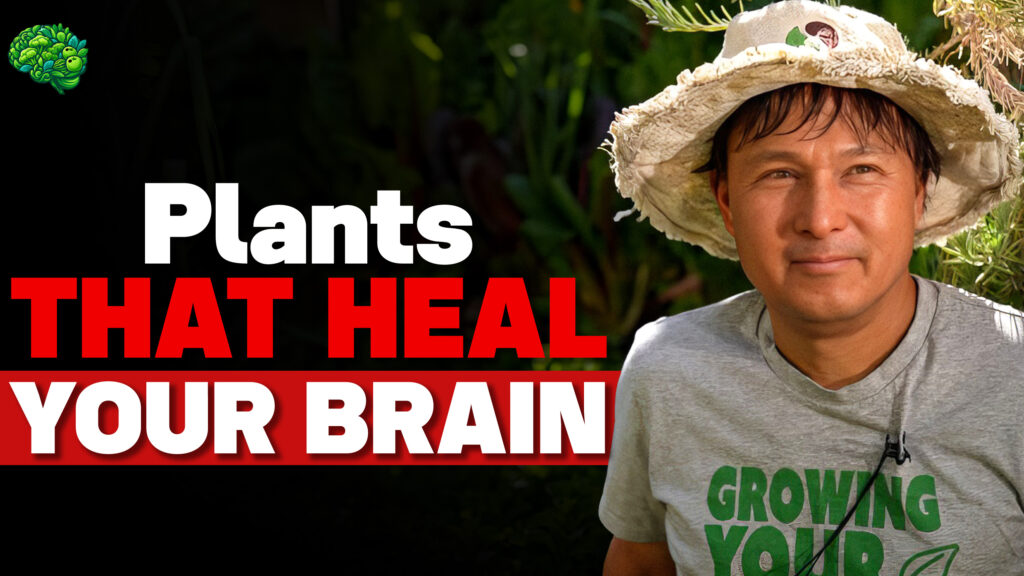
We all know we should eat more greens, but did you know that the plants you grow and how you prepare them can be your secret weapon for boosting brain health?
Today, I interview John Kohler, a pioneer in raw food, home gardening, and plant-based nutrition, to explore how growing and eating nutrient-dense plants can protect your brain and even help prevent Alzheimer’s.
John shares his journey of overcoming viral spinal meningitis in his 20s and turning adversity into a lifelong mission of health, wellness, and educating millions through his videos and podcasts. He takes us deep into the garden, sharing how growing your own greens from sprouts to microgreens can deliver far more nutrients than store-bought produce, and walks through his methods for maximizing plant nutrition.
Whether you have a backyard or just a windowsill, John explains actionable steps to make plants a daily brain-boosting habit. If you’re ready to take control of your brain health and learn how to harness the benefits of plants for cognitive vitality, this episode is packed with insights you can start applying today.
This episode is sponsored by Organifi
– Get 20% off organic superfood blends at www.organifi.com/DRJOSH with code DRJOSH
“When you make a lot of money, that's great because it shows you're really skilled at making money. But that says nothing about how good you are at taking care of your health, which I believe is more important.”
John Kohler
In this Episode
03:04 – John’s early life events, lifestyle, and Alzheimer’s risk
13:59 – The impact of lifestyle changes in Alzheimer’s patients
16:39 – Growing your greens wherever you are
22:11 – Sprouts and microgreens: young plants pack the most nutrients
26:59 – Top brain-boosting plants
31:45 – Chewing greens to boost nitric oxide and brain function
34:45 – The impact of juicing and blending on plants
39:25 – Gardening for exercise, stress relief, and nature connection
42:15 – How to prevent plant pests without using pesticides
45:00 – John’s daily meal preparation
56:36 – Stressing your plants so they produce more antioxidants
Resources:
– Top Supplements for Alzheimer’s Guide
– Ornish study shows lifestyle changes improved cognition in early Alzheimer’s patients
Connect with John Kohler:
– YouTube
Connect with Dr. Josh Helman, MD:
– TikTok
– YouTube
– Others
Disclaimer: Please remember that this podcast is for informational purposes only and is not intended as medical advice. Always consult your doctor or healthcare professional before making any changes to your treatment plan.
–
READ THE COMPLETE BLOG POST HERE:
Struggling to keep your brain sharp as you age? You’re not alone. Alzheimer’s disease and other cognitive declines are on the rise, but there’s hope—nature might just have the answer. Today, we’re diving deep into how sprouts, microgreens, and juicing can help boost brain health and potentially prevent or slow the onset of Alzheimer’s. In this post, we’ll explore how nutrient-dense greens and simple lifestyle changes can help protect your brain long-term.
John Kohler, a gardening expert and advocate for plant-based living, shares his insights on using everyday plants to keep your brain in top shape. From growing your own microgreens to understanding the importance of sprouts, this post is packed with actionable tips to boost your cognitive health.
If you’re looking to boost your brain health, sprouts and microgreens should be at the top of your list. These tiny greens pack a punch when it comes to nutrients. Research shows that sprouts can contain up to 40 times the nutrients of their mature counterparts. Whether you grow them at home or pick them up from a local farmer’s market, adding microgreens like arugula, broccoli sprouts, or mustard greens to your diet can significantly improve your intake of essential vitamins and antioxidants. These nutrients are crucial for brain health, as they help combat oxidative stress, which has been linked to Alzheimer’s.
John Kohler suggests growing these greens in your own backyard or indoors, which ensures you’re getting them fresh and nutrient-dense, unlike store-bought greens that often lose their nutritional value during transport.
While eating raw greens is vital, juicing can help you consume large amounts of nutrients more efficiently. John Kohler recommends juicing non-sweet vegetables like romaine lettuce, kale, and spinach to get a concentrated source of vitamins and minerals that are essential for brain health. When you juice vegetables, you extract the nutrients and enzymes in their most absorbable form.
However, it’s crucial to understand that not all vegetables are created equal when it comes to juicing. For example, carrots are high in carotenoids, which are better absorbed when juiced rather than eaten whole. Incorporating green juices into your daily routine can be an easy and effective way to ensure you’re getting a diverse range of plant-based nutrients that promote brain function.
Gardening is more than just a hobby—it’s a workout for both the body and mind. John Kohler, who tends gardens in multiple locations, explains that gardening provides a physical workout while connecting you to nature. Whether it’s lifting compost bags or harvesting your own greens, the physical activity helps release stress, which can benefit cognitive function. Plus, being outside in the sun helps your body produce vitamin D, which plays a critical role in brain health.
If you don’t have a garden, consider growing sprouts or microgreens indoors. These plants can be easily grown in small spaces and offer a convenient way to enjoy fresh, nutritious greens year-round.
One of the key ways to combat cognitive decline is through antioxidants. Plants like rosemary and Spanish sage are packed with essential oils that help protect the brain. Studies suggest that these antioxidants can help slow the progression of Alzheimer’s by neutralizing harmful free radicals in the brain. Moreover, wild blueberries—known for their high levels of anthocyanins—are another brain-boosting powerhouse. Including these antioxidant-rich plants in your diet is a simple yet effective way to reduce the risk of Alzheimer’s.
Incorporating sprouts, microgreens, and juicing into your diet is a powerful step toward preventing and potentially reversing Alzheimer’s. By growing your own greens and focusing on nutrient-dense foods, you not only improve your brain health but also reduce your exposure to harmful chemicals and pesticides found in store-bought produce. John Kohler’s journey from health scare to plant-based advocate proves that lifestyle changes, like eating more raw and living foods, can lead to long-term health benefits.
If you found this post helpful, check out our related episode with Dr. Josh Helman on brain health and learn how to protect your brain with diet and lifestyle changes.
What are your favorite ways to incorporate sprouts or microgreens into your meals? Let me know in the comments below!
DISCLAIMER: This is not intended to be medical advice. Always consult with your physician first.
*The statements (appearing on this website) have not been evaluated by the Food and Drug Administration. These products are not intended to diagnose, treat, cure, or prevent any disease.
Copyright © 2025 · All Rights Reserved · Dr Josh