
Mold & Mycotoxins Linked to Dementia and Alzheimer’s (What You Must Know) with John Bohde
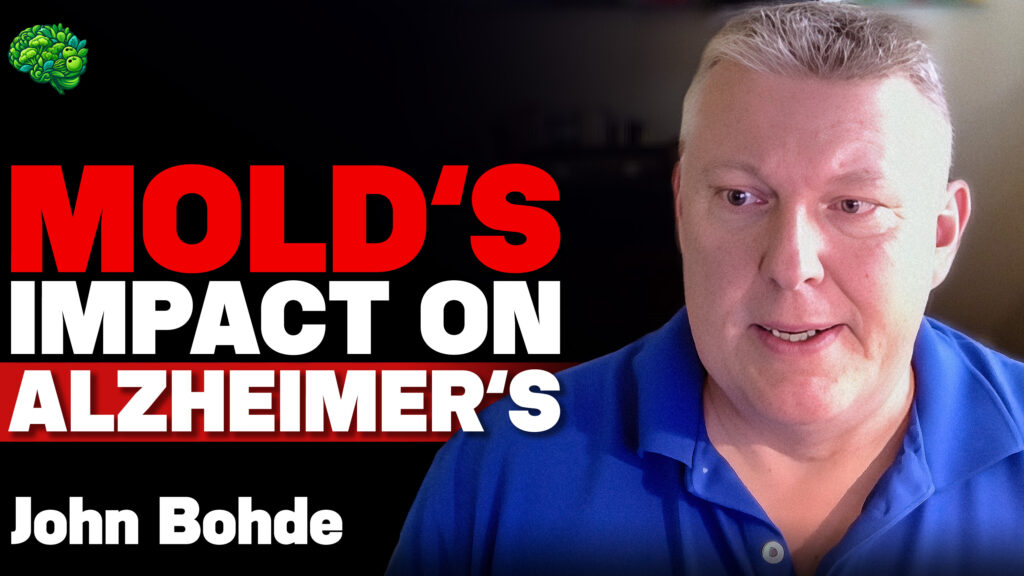
Could hidden dangers in your home be impacting your brain health? In this eye-opening conversation, discover how mold and mycotoxins might be contributing to cognitive decline and Alzheimer’s disease.
I interview John Bohde, co-founder and VP of The Mold Pros, to discuss the shocking connection between mold exposure, mycotoxins, and cognitive decline. John explains how mold can contribute to dementia and brain fog, often in ways we don’t immediately recognize.
As a leader in the mold inspection and remediation industry, John highlights environmental triggers that can be overlooked, even in homes that appear clean and well-maintained. We talk about how mold can release mycotoxins into the air and what that means for your health.
John shares recommendations for identifying hidden mold and mycotoxins in your environment, emphasizing the importance of a proper moisture assessment and advanced testing for those dealing with chronic illness or dementia. Plus, we discuss how the remediation process has evolved and how you can protect yourself from environmental illness.
“Everybody thinks, oh, my house is fine. I'm a great housekeeper, and therefore I don't have a problem. One, it oftentimes has nothing to do with how well you keep your home. It's really around how much moisture is in that environment. Second, mold spores are microscopic–you just can't see them.”
John Bohde
In this Episode
02:52- Understanding type 3 Alzheimer’s (toxicity-related)
13:19- The Mold Pros process for mold remediation
18:32 – Why some traditional mold remediation methods do not work
23:06 – The challenges of treating mold toxicity in patients and structures
30:52 – How to find a reliable mold inspector
44:39 – The importance of proper protective gear for mold remediators
50:58 – What to do when you’re worried about mold
🎧 Podcast Listener Bonus: The Mold Pros are offering a FREE 30-minute consultation exclusively for podcast listeners. To receive your free consult and an additional discount, be sure to mention “DrJosh” when you book.
Resources:
– Top Supplements for Alzheimer’s Guide
– EPA Tips for Mold Cleanup in Your Home
Connect with John Bohde:
– Website
Connect with Dr. Josh Helman, MD:
– TikTok
– YouTube
– Others
Disclaimer: Please remember that this podcast is for informational purposes only and is not intended as medical advice. Always consult your doctor or healthcare professional before making any changes to your treatment plan.
–
READ THE COMPLETE BLOG POST HERE:
Mold & Mycotoxins Linked to Dementia and Alzheimer’s (What You Must Know)
Did you know that the air in your home could be contributing to cognitive decline? Mold and mycotoxins are linked to a range of health problems, including Alzheimer’s and dementia, but many of us don’t realize the full extent of the risk. In today’s episode, John Bohde, the co-founder of The Mold Pros, sheds light on how environmental toxins like mold and mycotoxins are silently damaging our brains. He also shares actionable insights on how to identify and remedy mold exposure to help protect cognitive function. If you’ve been struggling with brain fog, memory loss, or unexplained cognitive decline, this episode might just offer the breakthrough you need.
🎯 Key Takeaways From the Episode:
- Mold exposure can lead to cognitive decline, including brain fog and dementia, particularly in genetically sensitive individuals.
- Mycotoxins, the toxic byproducts produced by mold, can be inhaled or ingested, leading to long-term brain damage.
- Environmental testing is crucial to identify hidden mold and mycotoxins in your home, especially in hard-to-see areas like behind walls and HVAC systems.
- Effective remediation involves not just killing the mold but also removing the toxins and addressing the underlying moisture issues.
Mold and Mycotoxins: Silent Triggers of Cognitive Decline
Mold and mycotoxins are often overlooked as causes of cognitive decline, yet they can play a significant role in brain fog and Alzheimer’s. Dr. Josh Helman and John Bohde discuss how exposure to mycotoxins—toxic compounds released by mold—can enter the body through inhalation, ingestion, or even skin absorption. These toxins affect the brain in ways similar to other neurodegenerative diseases, impairing memory and mental clarity.
John explains that many patients with mold toxicity often show symptoms similar to dementia. However, mold-related cognitive issues can sometimes be misdiagnosed, making it essential to differentiate between Alzheimer’s and toxicity-related brain fog. Dr. Peterson’s work on type 3 Alzheimer’s, or toxicity-related Alzheimer’s, illustrates this connection, noting how environmental toxins like mold and mycotoxins can accelerate brain decline.
The Dangers of Mold Exposure
Mold isn’t just a nuisance; it’s a biological weapon in some cases. Mold species like Aspergillus and Penicillium produce toxins that can damage lung tissue and infiltrate the brain, leading to neurological damage. Some molds, like Stachybotrys, also known as black mold, are particularly dangerous due to their ability to release mycotoxins into the air. These spores can enter the brain through the blood-brain barrier and cause inflammation and long-term damage.
John emphasizes that mold doesn’t have to be visible to be harmful. Hidden mold in places like behind drywall or within HVAC systems can spread toxic spores throughout your living space, putting your brain at risk even if you don’t see it. This makes it crucial for anyone with chronic cognitive decline to consider environmental testing as part of their healing process.
How to Identify Mold and Mycotoxins in Your Home
John outlines a clear process for detecting mold and mycotoxins in your home. It starts with a thorough moisture assessment—because mold needs moisture to grow. Moisture meters, infrared cameras, and even bore scopes are used to pinpoint hidden sources of mold growth. Once the moisture source is identified and addressed, testing for mycotoxins follows, with advanced techniques like PCR testing used to identify harmful species and toxins at the molecular level.
Dr. Josh agrees that environmental testing should be part of the diagnostic process for anyone experiencing cognitive decline, as mycotoxins often go undetected in standard mold tests. By ensuring that both visible and hidden mold sources are identified and removed, patients can dramatically improve their brain health.
The Importance of Mold Remediation
Effective mold remediation goes beyond just cleaning the surface. As John points out, most common household products like bleach and hydrogen peroxide only kill mold spores but don’t remove the mycotoxins or deal with the root causes of mold growth. To truly eliminate mold and its harmful effects, enzymes and advanced filtration systems are used to break down the toxins and remove them from the air.
John’s company uses a patented enzyme-based process that targets the toxins directly, offering a safer and more effective way to remediate mold problems. Unlike traditional methods that might leave behind dead mold spores, this approach biodegrades the toxins, ensuring they don’t continue to pose a threat to your health.
Conclusion:
Mold and mycotoxins are often underestimated contributors to brain fog and Alzheimer’s disease. Whether you’re dealing with cognitive decline or simply want to safeguard your health, understanding the connection between mold exposure and brain health is crucial. With effective environmental testing and proper mold remediation, you can protect your brain from the toxic effects of these invisible threats.
If you found this article helpful, check out our full podcast episode on mold and mycotoxins to dive deeper into the science behind this issue and learn more prevention strategies.
What’s your experience with mold and cognitive health? Have you seen improvements after remediating your environment? Let us know in the comments!
1 thought on “Mold & Mycotoxins Linked to Dementia and Alzheimer’s (What You Must Know) with John Bohde”
With a melting heart of appreciation, I wish you all the Blessings!